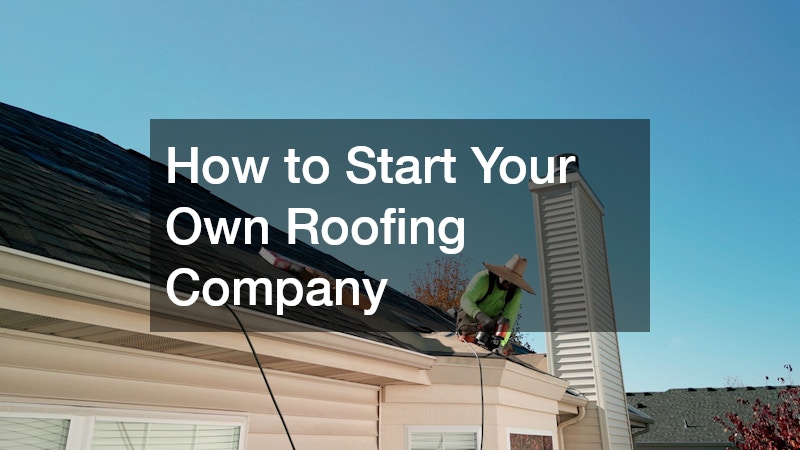
The roofing industry presents a robust marketplace with a consistent demand for repairs, replacements, and new installations. Aspiring entrepreneurs can find abundant opportunities to capitalize on the ever-evolving field, driven by both residential and commercial needs. Economic indicators suggest a stable growth trajectory in construction sectors, making roofing a promising venture.
Furthermore, the rise in environmental consciousness has led to a surge in demand for eco-friendly roofing solutions, presenting further niches for specialization. Entrepreneurs can differentiate their roofing companies by adopting sustainable practices, thus aligning with modern consumer values and securing a competitive advantage.
Success in this industry requires not only technical prowess but also a strategic blend of business acumen, worker management, and effective marketing strategies. This guide explores the fundamental steps required to transform a roofing business idea into a flourishing enterprise.
1. What are the Initial Steps to Starting a Roofing Company?
Establishing a roofing company necessitates thorough research and a comprehensive business plan. Begin by assessing the local market to identify potential competitors and customer demographics. Knowledge of your target audience’s preferences, income levels, and roofing needs can tailor the services offered effectively.
Developing a strong business plan involves outlining your company’s mission, detailing service offerings, setting clear objectives, and crafting a marketing strategy. This document serves as a roadmap and a crucial tool for securing financing from investors or financial institutions. Securing the necessary licenses and permits should be prioritized to ensure legal compliance and build credibility.
Additionally, invest time in researching state-specific regulations and safety standards, which are critical in avoiding costly penalties and ensuring a safe work environment for your team. Training programs that focus on safety can further enhance the operational efficiency of your company and safeguard against potential liabilities.
2. What Essential Equipment and Materials are Needed?
Equipping your roofing company with the right tools and materials is vital for delivering quality service and maintaining operational efficiency. Essential tools include ladders, roofing knives, power tools, and safety harnesses, which are indispensable in performing various roofing tasks.
For materials, a diverse inventory of shingles, tiles, metal roofing, and underlayments allows for a wide range of customer options. Maintaining strong relationships with suppliers can ensure material availability and cost-efficiency, essential for maintaining competitive pricing. Adopting advanced technologies such as drones for roof inspections can optimize processes and enhance service delivery.
Furthermore, leveraging software solutions for project management and customer relationship management (CRM) helps streamline operations. These tools can assist in job scheduling, invoicing, customer interactions, and record-keeping, ultimately enhancing overall productivity and customer satisfaction.
3. How to Build a Qualified Team?
Building a skilled and reliable team is crucial to the success of your roofing company. The hiring process should focus on finding experienced roofers who understand various roofing systems and safety protocols. Crafting a comprehensive training program can help new hires grasp the company’s operational standards and safety measures.
Effective team management revolves around clear communication, fostering teamwork, and promoting a safety-first culture. Participation in ongoing training opportunities can ensure that your team stays updated on the latest industry practices and technological advancements. Implementing a mentorship system can also encourage skill development among less-experienced employees.
Recognizing and rewarding exemplary performance can boost morale and reduce turnover. A well-managed team not only enhances service quality but also projects a professional image to potential clients, directly influencing customer satisfaction and business reputation.
4. How to Market Your Roofing Company?
In today’s digital age, marketing plays a pivotal role in expanding a roofing company’s reach and clientele. Developing a robust online presence through a professional website and social media channels is essential. These platforms can showcase your work portfolio, customer reviews, and any special offers, establishing credibility among potential clients.
Investing in Search Engine Optimization (SEO) can increase your website’s visibility on search engines, making it easier for customers to find your services. Incorporating the keywords ‘eco-friendly roofing solutions’ and ‘roofing safety standards’ can target niche markets and attract environmentally-conscious and safety-oriented customers.
Offline strategies such as networking with local contractors, real estate agents, and participating in community events can generate valuable referrals. Offering seasonal promotions and loyalty programs can also incentivize repeat business, fostering long-term client relationships.
5. How to Ensure Long-Term Success?
To ensure the longevity and success of your roofing company, continually assessing and adapting to market conditions is necessary. Actively seeking customer feedback can provide insights into areas for improvement and highlight opportunities for service enhancement. Establishing strong customer relationships aids in generating repeat business and positive word-of-mouth referrals.
Understanding economic trends and emerging technologies enables you to make informed decisions about expanding your service offerings and reducing operational costs. Diversifying your services, such as integrating maintenance programs or offering renewable roofing options, can create additional revenue streams and resilience against market fluctuations.
Lastly, ensuring financial health through meticulous budgeting and financial planning is vital. Regularly reviewing your financial statements and consulting with financial experts can aid in making strategic investments and identifying growth opportunities, ultimately securing your company’s future success.
Starting a roofing company involves a substantial commitment to planning, executing, and adapting to the dynamic nature of the construction industry. Entrepreneurs can achieve success through a balanced approach that combines comprehensive customer understanding, operational efficiency, and innovative market strategies.
Developing a well-defined business plan and establishing a capable team forms the backbone of operational success. Prioritizing education on safety standards and engaging in eco-friendly practices can further distinguish a roofing company in the competitive market.
Ultimately, maintaining a customer-centric approach, coupled with proactive financial management, provides a path to long-term success. The roofing industry, while competitive, offers boundless opportunities for those prepared to invest in planning, quality, and strategic growth.