The launch of a new business is often fueled by a whirlwind of operational checklists. Founders spend sleepless nights finalizing product prototypes, setting up supply chains, securing permits, and balancing spreadsheets. Amid this logistical chaos, branding is frequently pushed to the periphery, viewed as a cosmetic luxury to be dealt with once the company is profitable. Many entrepreneurs fall into the trap of thinking that branding is merely a matter of designing a trendy logo or picking a sleek color palette.
Treating branding as an afterthought is one of the most expensive mistakes a startup can make. Your brand is not just your visual identity; it is the sum total of your business’s reputation, your emotional contract with your audience, and your ultimate competitive edge. It dictates how customers feel when they interact with you, how much they are willing to pay, and whether they will choose you over a legacy competitor. Launching with a strong, intentional brand from day one accelerates market trust, justifies premium pricing right out of the gate, and prevents the costly, confusing pivots that plague unfocused companies. It turns an unknown entity into an immediate, credible contender.
Define Your Core Identity Before You Build
Uncover your “Why” and target audience
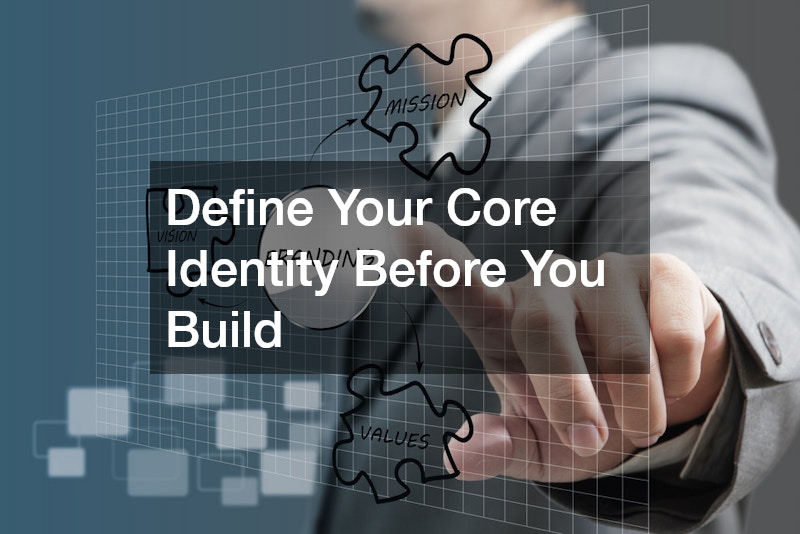
Long before you sketch a design or register a domain, you must uncover the foundational purpose of your enterprise. This goes beyond the superficial goal of making money; it unearths the specific problem you are passionate about solving and why your approach matters. To build a brand that resonates, you must marry this inner purpose with deep, unvarnished market research.
Rather than trying to appeal to everyone, successful startups construct detailed customer personas that map out the exact demographics, psychographics, and daily frustrations of their ideal buyers. You need to know what keeps your target customer awake at night, what language they use to describe their problems, and where they look for solutions. When you understand your audience at this granular level, your branding shifts from generic corporate noise to a highly targeted message that feels personally relevant to the reader.
Craft your unique value proposition
Once you understand your audience’s pain points, you must articulate your Unique Value Proposition (UVP). Your UVP is the clear, compelling statement that explains how your product solves problems, delivers specific benefits, and tells the ideal customer why they should buy from you instead of the competition. Standing out in a crowded market requires you to lean into a specific niche and own it completely.
For instance, a company entering the crowded B2B woodworking space cannot simply market itself as a generic construction firm. By positioning themselves explicitly through custom cabinetry services, they shift the narrative from a commodity service to a high-end, specialized craft. This deliberate branding instantly attracts luxury commercial developers who value precision over the lowest bid. Similarly, a new tech venture shouldn’t just call itself a generic help desk. A modern it service provider must brand their offering around the concept of uninterrupted business continuity and ironclad cybersecurity. By framing their brand around proactive peace of mind rather than reactive troubleshooting, they immediately command higher retainers and build deeper client trust from their very first contract.
Design a High-Impact Visual Ecosystem
Create a cohesive visual identity guidelines manual
With your strategic foundation firmly in place, you can begin translating your core identity into a visual language. A high-impact visual ecosystem requires strict consistency, which is achieved by developing a comprehensive brand guidelines manual. This document serves as the single source of truth for your visual identity, ensuring that anyone who creates content for your business maintains a unified aesthetic.
-
Color Psychology: Select a primary and secondary color palette based on emotional resonance. Blue evokes trust and security, green signals sustainability and growth, while bold orange or red can communicate energy and disruption.
-
Typography: Limit your brand to two or three complementary fonts. Choose a dominant font for headers that carries personality, paired with a highly legible, clean font for body text across digital and print mediums.
-
Imagery Style: Define the tone of your photography and graphics, whether that means using bright, authentic lifestyle photos or minimalist, high-contrast technical illustrations.
Dominate your physical and digital first impressions
Your visual identity must be seamlessly executed across every customer touchpoint, creating a unified experience whether a client interacts with you online or in person. Inconsistencies break the illusion of professionalism, whereas a seamless transition from a digital ad to a physical location builds immediate credibility.
For a brick-and-mortar business, the external presentation is your primary handshake with the community. Investing in a professionally manufactured business sign is not just a utility; it is a critical asset that establishes local authority and broadcasts your brand’s standards to every passerby. For businesses that ship physical goods, the digital experience must extend directly into the physical unboxing moment. When a customer receives an e-commerce order, utilizing custom foam packaging inside the box instantly elevates the perceived value of the item. It shows an obsessive attention to detail, protects the product, and tells the consumer that they have purchased something truly premium, transforming a mundane delivery into a memorable brand experience.
Align Your Operations with Your Brand Promise
Deliver on the expectations your marketing creates
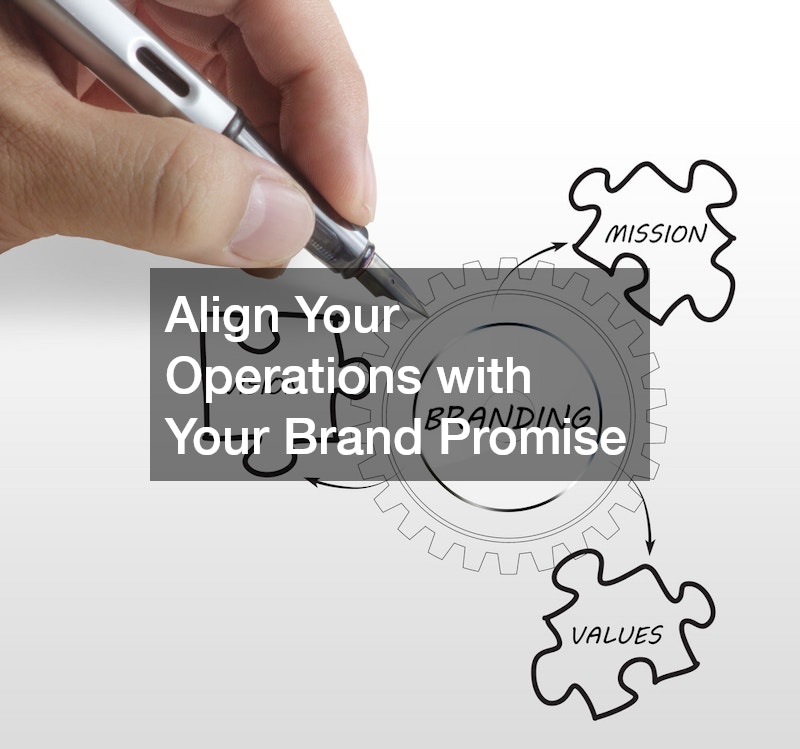
Branding is ultimately a promise made, and operations are that promise kept. The most stunning visual identity and compelling marketing copy will fall flat if the actual customer experience is clunky, late, or flawed. Operational consistency is the truest, most sustainable form of branding because it builds long-term customer retention.
Every operational choice you make, from your supply chain ethics to the speed of your customer support, reflects your brand’s underlying values. If your brand claims to be premium, your backend execution must match that luxury status. If your brand values transparency, your billing and communication systems must be flawless. When your internal operations align perfectly with your external marketing, you build an authentic brand that easily converts first-time buyers into lifelong advocates.
Optimize backend efficiency to protect front-end reputation
To maintain a stellar reputation as you scale, your startup must invest in the behind-the-scenes infrastructure that guarantees quality and reliability. Operational bottlenecks ruin brand perception quickly, making backend efficiency a vital branding tool.
-
Fulfillment Automation: Utilizing specialized hardware like cardboard box-making machines allows a growing e-commerce brand to scale its packaging custom-tailored to every order size, reducing waste and ensuring pristine product presentation.
-
Quality Control Systems: Implementing rigorous testing protocols ensures that no defective products ever reach a customer, protecting the brand from negative online reviews.
-
Scalable Production: Securing reliable manufacturing equipment ensures that, as demand spikes, your production speed and product structural integrity remain completely flawless.
By putting these industrial mechanisms in place early, you protect your brand from the growing pains that frequently destroy the reputation of unprepared startups.
Leverage Strategic Partnerships and Resource Allocation

Keep capital fluid while maintaining a premium image
One of the greatest challenges for any new business is balancing the need for a premium brand image with the reality of a limited startup budget. Many founders believe they must buy everything brand new to look professional, draining their capital reserves before they even launch.
Smart brand strategy involves knowing where to spend heavily and where to remain agile. Your budget should be funneled into client-facing touchpoints—like your website, marketing, and key talent—while keeping your operational capital fluid. You can look like a multi-million-dollar operation on the outside while maintaining an incredibly lean, asset-light backend by leveraging strategic partnerships and alternative sourcing models.
Use smart sourcing to stay nimble during the launch phase
A brilliant way to project immense capability without incurring crippling debt is to change how you source your operational assets. Instead of purchasing expensive, depreciating machinery outright, startups can look to temporary asset acquisition to fulfill large contracts.
Partnering with local equipment rentals allows a new service or construction business to take on massive, high-profile projects that would normally be out of reach for a startup. By utilizing specialized equipment rental services, you gain access to top-tier, well-maintained machinery on a project-by-project basis. This approach ensures you never have to turn down a major client due to a lack of capacity, allowing your young brand to compete directly with entrenched industry giants while keeping your balance sheet healthy and nimble.
Build Local Trust Through Tangible Authority
Dominate your local market before expanding
Before a business attempts to capture national or global attention, it must establish an unshakeable foundation of trust within its immediate geographic community. Local branding relies heavily on personal relationships, visible community involvement, and undeniable physical proof of your expertise.
Building a local authority requires a proactive approach. You can sponsor neighborhood events, participate in regional business alliances, and optimize your local digital footprint through geo-targeted search terms and review platforms. When a startup becomes a household name in its immediate area, it creates a secure, profitable launchpad that can fund and validate future growth.
Showcase high-stakes expertise to win commercial contracts
For businesses operating in high-stakes industries, building trust locally requires a brand that radiates absolute compliance, safety, and institutional-grade capability. B2B clients and commercial property managers do not take risks on unproven startups unless those startups present themselves with total professionalism.
-
Industry-Specific Certifications: Visibly display all licenses, safety ratings, and industry certifications on your website and vehicles to remove any friction during the vetting process.
-
Professional Bidding Materials: Ensure your proposals, contracts, and presentations are beautifully designed and written with absolute clarity.
-
Niche Authority Packaging: A company launching a commercial roofing business must ensure its brand strategy communicates deep industrial expertise, large-scale project management capabilities, and ironclad structural warranties to win corporate bids over older competitors.
Once you have mastered this local positioning, bringing in a business expansion consultant can help you translate your localized authority into a scalable model. This strategic guidance ensures that as your brand expands into new territories, your core messaging, service standards, and operational reputation remain perfectly intact.
Launch with a Flagship Campaign
Create an unforgettable debut
Once your brand strategy, visual ecosystem, and operational workflows are locked in, it is time to introduce your business to the world with a deliberate, high-impact flagship campaign. A soft launch has its place for testing systems, but a public debut should feel like a major event.
To create an unforgettable launch, orchestrate a multi-channel campaign that combines digital urgency with physical presence. You can leverage hyper-local digital advertising, partner with relevant micro-influencers who already hold the trust of your target audience, or host an exclusive VIP launch event. Offer a limited-time, high-value incentive for your “founding customers.” This creates an environment of scarcity and excitement, encouraging early adopters to take a chance on your new brand and talk about it within their own networks.
Gather and weaponize early social proof
The primary goal of your flagship launch campaign is not just immediate revenue; it is the acquisition of social proof. In the modern marketplace, consumers trust the opinions of other consumers far more than they trust any corporate marketing copy. Your early customers are your most valuable branding assets.
As soon as your initial products are delivered or services are rendered, proactively follow up to gather detailed feedback, written testimonials, and video reviews. Take these pieces of social proof and feature them prominently on your website homepage, your social media channels, and your sales decks. Turn successful early projects into detailed case studies that highlight the specific problem the customer faced, how your business solved it, and the tangible results they experienced. By weaponizing this early social proof, you rapidly eliminate the skepticism that naturally surrounds a new startup, proving to future buyers that your brand is already a trusted, reliable fixture in the industry.
Building a powerful brand from day one is the ultimate differentiator in an increasingly crowded and noisy business landscape. It elevates your company from a basic provider of goods or services into a distinct, memorable entity that commands respect, fosters deep customer loyalty, and drives sustainable profitability. By taking the time to define your core identity, engineer a flawless visual ecosystem, align your backend operations with your forward-facing promises, and launch with strategic intent, you bypass the painful trial-and-error phases that stall so many startups.
Remember that branding is an ongoing, evolving relationship with your market, but the foundations you lay during your launch phase will set the trajectory for your entire corporate future. Do not treat your brand as a project to be completed down the road. Treat it as the very heart of your business strategy, and watch as it opens doors, attracts premium opportunities, and empowers your new venture to start strong, stay strong, and grow indefinitely.